Why Egypt is Your Gateway to Prime Real Estate Opportunities
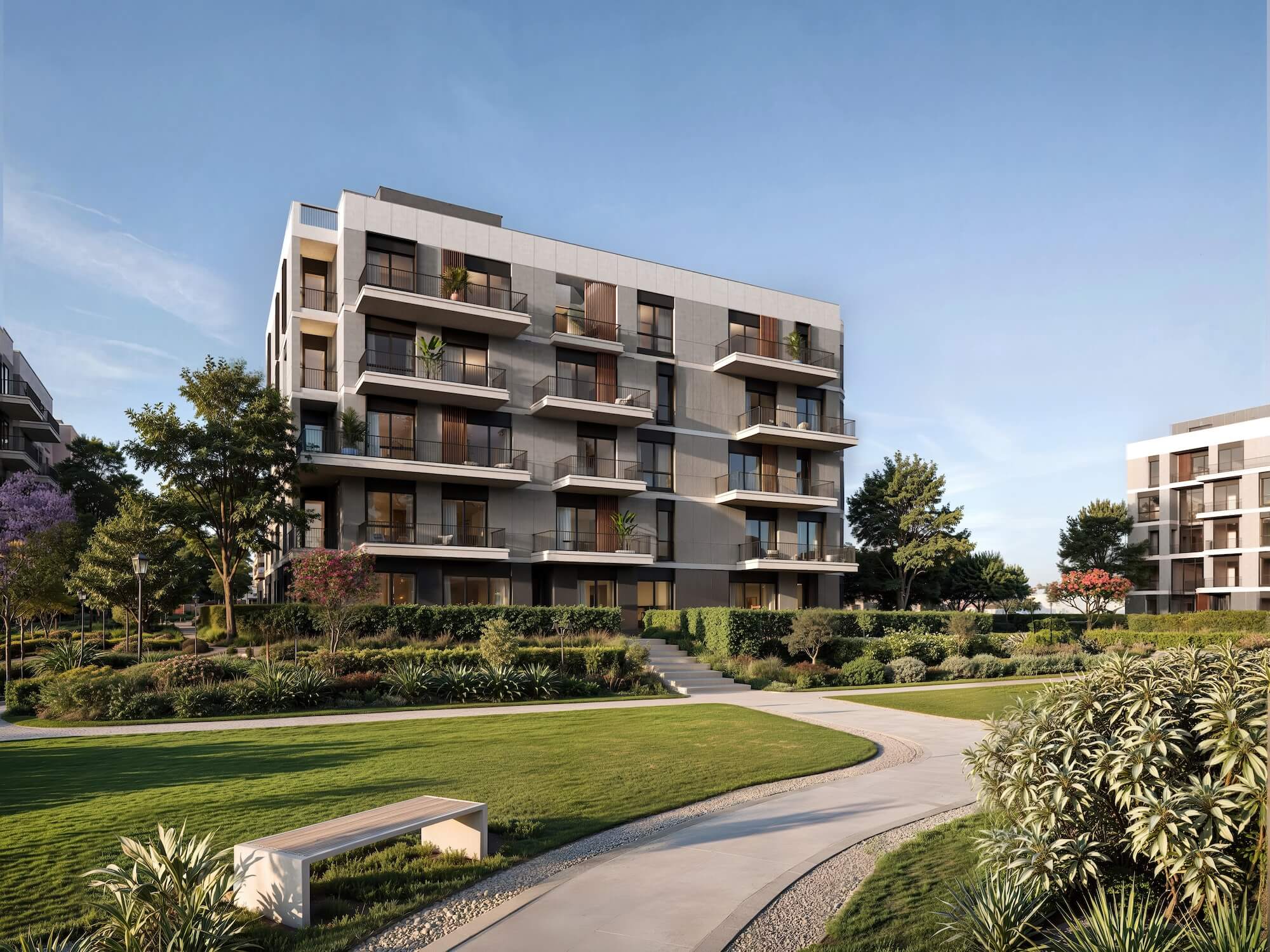
Egypt’s real estate market has emerged as one of the most attractive investment destinations in the MENA region. After navigating the Egyptian property market for several years, I’ve witnessed firsthand the incredible transformation happening across the country.
The numbers speak volumes: Egypt’s population exceeds 100 million people, creating unprecedented demand for housing. This demographic pressure, combined with rapid urbanization, has fueled a property boom that shows no signs of slowing.
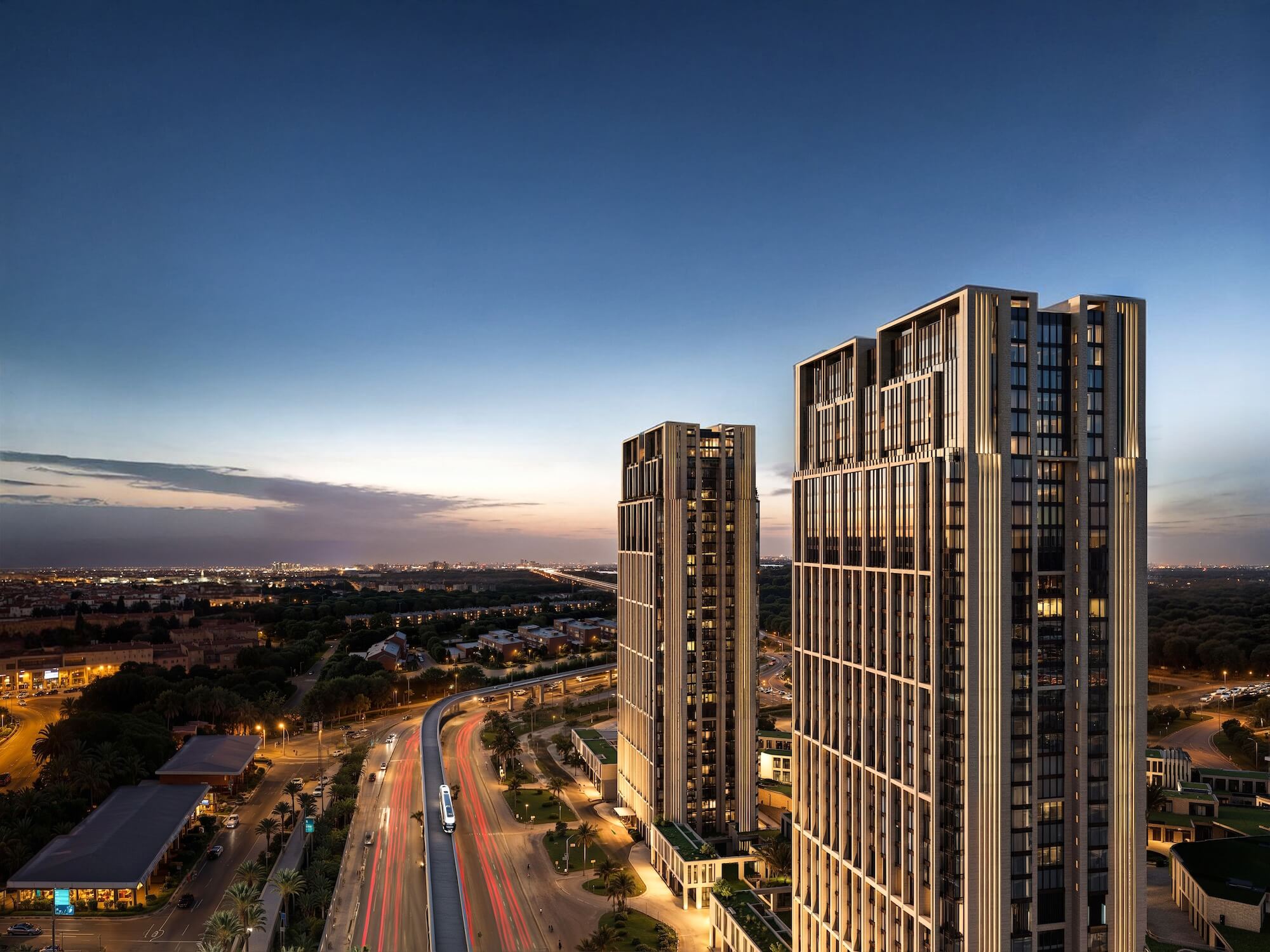
Government-backed infrastructure projects are reshaping the landscape. The New Administrative Capital, New Alamein City, and other mega-developments represent billions in investment. These aren’t just construction projects, they’re entire ecosystems designed to accommodate Egypt’s growing middle class.
What sets Egypt apart is accessibility. Property prices remain favorable compared to Dubai, Istanbul, or Riyadh. Whether you’re Egyptian or foreign, the legal framework supports property ownership with reasonable restrictions.
Key market drivers include:
- Infrastructure expansion connecting new cities to existing urban centers
- Tourism recovery boosting coastal property demand
- Economic reforms attracting international investment
- Young demographics driving long-term housing needs
Legal Framework and Eligibility Requirements
Understanding Egypt’s property laws is crucial before making any investment. The legal landscape has evolved significantly, becoming more investor-friendly while maintaining necessary protections.
Foreign ownership rights are surprisingly flexible. Non-Egyptians can purchase residential and commercial properties without residency requirements. However, agricultural land ownership remains restricted to Egyptian nationals, a policy protecting food security.
The Council of Ministers clearance requirement often confuses first-time buyers. This isn’t a complex approval process; it’s a formality ensuring properties aren’t in restricted military or strategic zones. Most residential areas receive automatic clearance.
Essential documents you’ll need:
- Valid passport with current visa
- Financial statements proving funding sources
- No-objection certificate from your home country (sometimes required)
- Property inspection reports
Compliance considerations vary by property type. Newly constructed buildings typically have streamlined documentation, while older properties may require additional verification steps.
Working with a qualified legal professional isn’t optional, it’s essential. Egyptian property law includes nuances that can impact your ownership rights and future sale potential.
Strategic Location Research and Property Selection
Location selection can make or break your Egyptian property investment. After evaluating dozens of areas, I’ve identified the highest-potential markets based on growth trajectory, infrastructure, and rental yields.
Cairo’s satellite cities dominate the residential market:
New Cairo offers established infrastructure with international schools, shopping centers, and medical facilities. Properties here attract affluent Egyptian families and expatriates. Expect premium pricing but strong appreciation potential.
Sheikh Zayed combines luxury living with business accessibility. The area’s proximity to Smart Village (Egypt’s tech hub) drives consistent rental demand from professionals.
6th of October City provides exceptional value. This mature suburb offers complete amenities at moderate prices, perfect for buy-and-hold investors.
New Administrative Capital represents Egypt’s future. Government ministries, international companies, and diplomatic missions are relocating here. Early investors are already seeing substantial appreciation.
Alexandria coastal properties offer unique advantages. The Mediterranean location attracts both residents and tourists, supporting year-round rental income.
Tourist destinations like Hurghada and Sharm El-Sheikh excel for vacation rental strategies. These markets recovered strongly post-pandemic, with international tourism reaching pre-2020 levels.
Location evaluation factors:
- Transportation connectivity (metro, highways, airports)
- Amenity density (schools, hospitals, shopping)
- Future development plans announced by government
- Demographic trends in target renter/buyer profiles
Navigating the Egyptian Property Buying Process
The Egyptian buying process follows predictable steps, but local expertise accelerates everything. Having completed multiple transactions, I recommend this systematic approach:
Finding reputable real estate agents requires careful vetting. Look for established firms with multilingual staff and proven track records. Avoid agents pushing specific developments without understanding your needs.
Property viewing strategy should be comprehensive. Don’t rely on photos or virtual tours, Egyptian construction standards vary significantly. Schedule multiple visits at different times to assess traffic, noise levels, and neighborhood dynamics.
Due diligence checklist:
- Title deed verification through official records
- Building permit confirmation with local municipality
- Developer background check including previous project completion
- Legal dispute search ensuring no pending litigation
- Utility connection status (electricity, water, gas)
Purchase agreement negotiation often yields 10-15% price reductions. Egyptian sellers expect negotiation, initial asking prices typically include bargaining room. Focus on payment terms, handover dates, and penalty clauses.
Contract signing requires notarization at official Real Estate Registration offices. Ensure all documents are properly translated if you don’t read Arabic. This step legally transfers ownership and cannot be reversed easily.
Transaction finalization involves multiple government offices. A qualified agent or lawyer manages this paperwork maze, ensuring proper registration and tax payments.
Understanding Costs, Taxes, and Financing Options
Property costs extend well beyond purchase prices. Comprehensive budgeting prevents unpleasant surprises during closing.
Registration fees typically run 2-3% of property value, a significant expense often overlooked by first-time buyers. This covers official property transfer and government documentation.
Legal and notary fees vary by transaction complexity. Simple apartment purchases might cost EGP 10,000-15,000 in legal fees, while commercial properties or complicated ownership structures cost more.
Annual property taxes remain minimal, usually under 1% of assessed value. This makes Egyptian property ownership surprisingly affordable long-term.
Financing landscape has improved dramatically. Several Egyptian banks now offer mortgage products to foreigners, though requirements are strict:
- Minimum 30% down payment
- Proof of stable income (often requiring employment contracts)
- Comprehensive documentation of financial history
- Property insurance throughout loan term
Alternative financing includes developer payment plans. Many projects accept installment schedules over 2-5 years without interest charges, an attractive option for off-plan purchases.
Hidden costs to budget:
- Property management fees (if buying for investment)
- Utility connection deposits
- Homeowner association fees in gated communities
- Insurance premiums for property protection
Essential Tips for a Successful Property Purchase
Success in Egyptian real estate depends on avoiding common pitfalls while maximizing opportunities. These insights come from both personal experience and observing other investors’ mistakes.
Professional team assembly matters most. Your lawyer, agent, and accountant should communicate effectively and understand international buyer needs. Don’t cut corners on professional fees, quality legal representation pays for itself.
Negotiation strategies work differently in Egypt. Direct confrontation fails; relationship building succeeds. Spend time understanding seller motivations. Are they relocating? Do they need quick sale? This information creates win-win scenarios.
Developer reputation research is critical for off-plan purchases. Investigate their previous projects, completion timelines, and build quality. Some developers consistently deliver on schedule; others face chronic delays.
Market timing considerations can significantly impact returns. Egyptian property markets follow predictable cycles tied to economic conditions and government policy changes. Current conditions favor buyers with available cash.
Common pitfalls to avoid:
- Rushing decisions without proper due diligence
- Ignoring location growth potential for short-term savings
- Underestimating total costs beyond purchase price
- Buying without clear exit strategy (rental or resale plan)
- Neglecting ongoing property management needs
Red flags requiring immediate attention:
- Developers demanding full payment before construction completion
- Properties priced significantly below market without clear reasons
- Agents pressuring immediate decisions without viewing alternatives
- Legal documents with unclear ownership or transfer terms
Your Path to Egyptian Property Ownership Success
Completing your Egyptian property purchase marks the beginning, not the end, of your investment journey. Post-purchase success requires ongoing attention and strategic planning.
Property registration must be completed within 60 days of purchase. This involves multiple government offices but establishes your legal ownership rights. Keep certified copies of all registration documents, you’ll need them for future transactions.
Property management considerations vary by investment strategy. Self-management works for single properties with local presence. Professional management companies handle multiple properties or absentee ownership situations more effectively.
Rental income potential in prime Egyptian locations often yields 8-12% annually, exceptional by global standards. Tourist areas can generate even higher returns through short-term rentals, though this requires active management.
Long-term investment outlook remains positive. Egypt’s young population, economic reforms, and infrastructure development create sustained demand. Property appreciation of 10-15% annually is common in developing areas.
Next steps after purchase:
- Establish utility accounts in your name
- Secure comprehensive insurance covering property and liability
- Develop rental strategy if investment property
- Monitor local market conditions for optimal sale timing
- Maintain property condition through regular upkeep
The Egyptian property market offers genuine wealth-building opportunities for informed investors. Whether you’re seeking rental income, capital appreciation, or personal residence, success follows proper preparation and execution.
Your Egyptian property investment can provide financial returns and lifestyle benefits for decades. Start your research today, assemble your professional team, and take advantage of one of the region’s most dynamic real estate markets.